Sound of Virtue: The Ever-Evolving World of Gorillaz
Sound of Virtue: The Ever-Evolving World of Gorillaz

Sound of Virtue: The Ever-Evolving World of Gorillaz
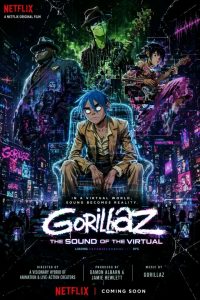
In a music industry often driven by image and immediacy, few acts have managed to challenge convention as boldly—and as successfully—as Gorillaz. Conceived by Damon Albarn and Jamie Hewlett in 1998, Gorillaz is not just a band; it is a concept, a critique, and a constantly shifting artistic universe. Their “sound of virtue” lies not in moral perfection, but in their commitment to creative freedom, cultural fusion, and fearless experimentation.
A Virtual Beginning
Gorillaz debuted with their self-titled album Gorillaz, introducing the world to animated band members—2-D, Murdoc, Noodle, and Russel. At a time when pop culture was saturated with highly manufactured personas, Gorillaz flipped the script by embracing artificiality openly. Ironically, this virtual façade allowed for deeper authenticity in their music, unbound by the expectations placed on physical performers.
Their breakthrough single Clint Eastwood blended hip-hop, dub, and alternative rock, setting the tone for a discography defined by genre fluidity. This willingness to merge styles became a hallmark of their “virtue”—a rejection of rigid musical borders.
Reinvention as a Principle
With each album, Gorillaz evolve. Demon Days leaned into darker themes, reflecting global anxieties of the mid-2000s, while Plastic Beach explored environmental collapse through lush, synthetic soundscapes. Rather than chasing trends, Gorillaz often anticipate or redefine them.
