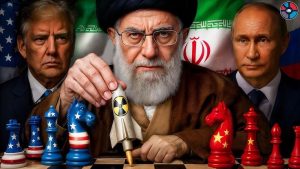
Global Wars, Resources, and Rising Conspiracies: The Truth About Conflict Narratives in 2026
Explore global wars, resource control, and controversial conspiracy narratives in 2026, including debates around ideology, economics, and global power.

Global Desk — The Questions Getting Louder. What if wars aren’t just about politics or security?

What if they’re about resources, influence… and narratives people don’t fully understand? As global conflicts continue, a mix of economic realities and controversial beliefs is shaping how people interpret what’s really going on.
🛢️ The Resource Reality
Strip away the headlines, and one truth keeps appearing:
Wars often happen in regions rich in:
- Oil and gas
- Trade routes
- Strategic minerals
- Agricultural supply chains
- Control these, and you don’t just win battles—you gain economic power. This is why conflicts rarely stay local. They ripple through global markets and everyday life.
The Real-World Impact
Across the world, people are feeling the effects:
- Rising food prices
- Unstable fuel costs
- Inflation and economic pressure
- For many, especially in developing countries, war is not distant—it’s something felt at the market, at the pump, and at home.
🧠 The Rise of Controversial Narratives
As these pressures grow, so do alternative explanations.
Some narratives claim that global conflicts are not just economic or political—but tied to religious or ideological agendas, including interpretations of “jihad” as a driving force behind certain conflicts.
Here’s where clarity matters:
The term “jihad” in Islam has multiple meanings, often referring to personal spiritual struggle, not violence. Violent extremist interpretations represent a small fraction and are widely rejected by mainstream Muslim communities
👉 The danger comes when complex conflicts are reduced to one-dimensional explanations.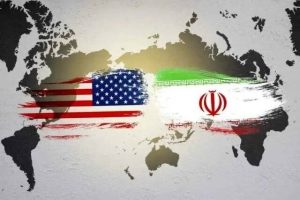
⚖️ Conspiracy vs Reality
It’s true that:
Some conflicts involve ideological elements. Some groups use religion to justify violence. But it’s also true that:
Many wars are driven by economic and geopolitical interests
Resource control and power dynamics play a central role. Focusing on one explanation alone—especially without evidence—can distort the bigger picture.
Follow the Money:
While narratives compete, one consistent factor remains:
Money and resources are always part of the equation.
During conflict:
- Energy markets shift
- Defense spending increases
- Trade routes are redefined
- Wealth doesn’t vanish—it moves.
🌐 The Modern Battlefield
Today’s wars are fought on multiple fronts:
- Military
- Economic
- Informational
This includes the spread of narratives—some accurate, some misleading—that influence how people understand global events.
🚀 Final Thought
In 2026, understanding war requires more than choosing sides.
It requires asking:
- What resources are involved?
- What economic interests are at play?
- And which narratives are shaping public perception?
Because in today’s world, conflict isn’t just about what’s happening—
It’s also about what people believe is happening.